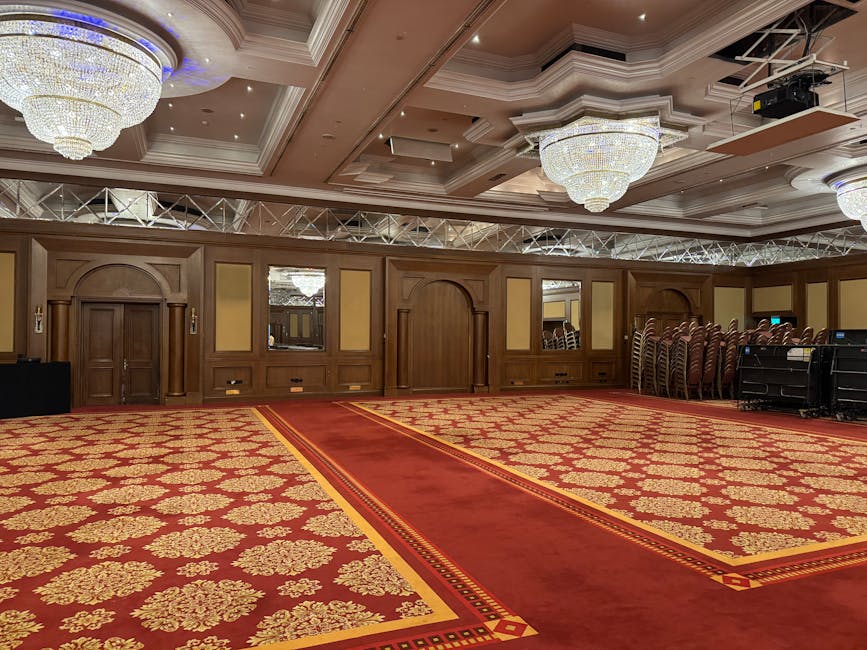
Alexandra Palace area carpet cleaning guide for event venues
If you manage an event space near Alexandra Palace, you already know carpets take a beating in a way office flooring never quite does. One wedding, exhibition, gala, or conference can leave behind crushed pile, drink spills, muddy footprints, and that faint "last night's event" smell that seems to hang around until Monday. This Alexandra Palace area carpet cleaning guide for event venues is designed to help you stay ahead of that mess, keep standards high, and protect both presentation and safety without making the process more complicated than it needs to be.
In practical terms, event-venue carpet care is about timing, traffic flow, stain response, drying strategy, and choosing the right cleaning method for the carpet fibre and the venue schedule. Sounds simple enough. In reality, there are a few moving parts. The good news? Once you understand them, the whole thing becomes much easier to manage, and your venue starts looking sharper, smelling cleaner, and lasting longer.
Contents
- Why Alexandra Palace area carpet cleaning guide for event venues matters
- How this carpet cleaning approach works
- Key benefits and practical advantages
- Who this is for and when it makes sense
- Step-by-step guidance
- Expert tips for better results
- Common mistakes to avoid
- Tools, resources and recommendations
- Law, compliance, standards or best practice
- Options, methods, or comparison table
- Case study or real-world example
- Practical checklist
- Conclusion
- Frequently asked questions
Why Alexandra Palace area carpet cleaning guide for event venues Matters
Event venues near Alexandra Palace often host a mix of formal and high-footfall occasions. A quiet evening reception can turn into a packed crowd within an hour, and carpets absorb the evidence. Mud from outdoor arrivals, damp from coats and umbrellas, food and drink splashes, confetti, glitter, makeup, and the odd forgotten canape all leave a mark. That is before you even get into wheeled equipment, chair movement, and repeated setup and breakdown.
Why does this matter so much? Because carpet condition affects more than appearance. It influences first impressions, scent, comfort underfoot, acoustics, and even safety if spills are left too long. In a venue environment, a tired-looking carpet can quietly drag down an otherwise excellent event. You notice it when guests step in, and so does everyone else.
There is also the commercial side. Carpets that are cleaned properly and regularly tend to last longer, which means fewer premature replacements. For busy venues, that is not a small detail. It is one of the easiest ways to protect a maintenance budget without cutting corners. And to be fair, carpet replacement in a large venue is the sort of expense nobody enjoys having to justify twice.
How Alexandra Palace area carpet cleaning guide for event venues Works
A good event-venue carpet cleaning process is not just a deep clean bolted on after a function. It is a planned system. The best results usually come from combining routine maintenance, stain treatment, periodic deep cleaning, and sensible drying management.
Here is the basic flow in plain English:
- Assess the carpet and the event pattern. High-traffic entrances, bar areas, dance floors, corridors, and cloakrooms usually need more attention than quieter sections.
- Identify the fibre and backing. Wool, synthetic blends, and commercial-grade carpets all behave differently when cleaned. The wrong method can cause distortion, residue, or slow drying.
- Vacuum thoroughly first. Dry soil is much easier to remove before moisture is added. Skipping this stage is one of those shortcuts that looks efficient and then causes problems later.
- Treat stains individually. Drink spills, greasy marks, and organic residues should not all be tackled the same way.
- Choose a method suited to the schedule. For some venues, steam carpet cleaning is the right option; for others, a lighter maintenance clean with targeted stain removal may be better between larger cleans.
- Allow enough drying time. This step matters more than people think. A carpet that feels "almost dry" can still hold enough moisture to create odour or slip concerns.
- Inspect and reset. Check edges, corners, and traffic routes before the next booking. If you reset the room while the carpet is still damp or blotchy, the venue will not feel truly finished.
In practice, this works best when cleaning is scheduled around the venue calendar rather than squeezed in after problems stack up. A sensible rhythm makes the whole operation calmer. Less panic, fewer heroic last-minute fixes.
Key Benefits and Practical Advantages
Well-managed carpet cleaning for event venues is not only about looking tidy. The advantages show up in several everyday ways:
- Better presentation: Clean carpets help the room look cared for, even before lighting and decor do their job.
- Improved guest comfort: Fresh flooring creates a more welcoming feel underfoot and reduces stale odours.
- Lower long-term costs: Regular maintenance can slow wear, flattening, and permanent staining.
- Faster turnaround between events: Planned cleaning and drying windows reduce the risk of room downtime.
- Safer surfaces: Prompt spill response and correct drying reduce slip risks and sticky residue.
- Stronger hygiene standards: Event carpets collect more debris than most people realise, especially in busy entrance zones.
There is also a quieter benefit. Staff work better in a venue that feels in control. If the floor looks and smells clean, the whole building tends to feel more organised. That matters on a Friday afternoon when three things are happening at once and someone is asking where the spare table plan went.
If your venue also includes soft furnishings, a joined-up approach can help. Services such as upholstery cleaning, curtain cleaning, and sofa cleaning can complement carpet care in lounges, reception areas, and VIP spaces. It is all part of the same impression.
Who This Is For and When It Makes Sense
This guide is for venue teams who deal with public-facing floors and tight event schedules. That includes conference centres, wedding and party venues, function rooms, hospitality spaces, community halls, exhibition spaces, private clubs, and multipurpose venues around Alexandra Palace and the wider local area.
It makes sense especially when:
- you host events with frequent guest turnover
- your carpeted areas include entrances, corridors, or refreshment zones
- there are regular drink, food, or mud-related spills
- you need a clean that fits around evening or overnight room turnaround
- you want to reduce visible wear before it becomes hard to reverse
- you are preparing for a launch, wedding, awards night, open day, or seasonal peak
It also helps if you manage the venue remotely or as part of a wider property portfolio. In that situation, clear maintenance routines and documented cleaning schedules are a lifesaver. Not glamorous, but absolutely useful.
If your venue has broader commercial cleaning needs, it may be worth looking at commercial carpet cleaning alongside more targeted specialist treatments. That gives you a practical baseline rather than a one-off rescue job every few months.
Step-by-Step Guidance
If you are building a repeatable cleaning process, start here. This is the part that tends to separate a calm operation from one that is forever reacting to the latest spill.
1. Map the highest-risk areas
Walk the venue as if you were a guest arriving in wet shoes. Where do people enter? Where do drinks get served? Where do queues form? These areas usually need the most frequent attention. Pay special care to thresholds, mat edges, and the first few metres inside the door.
2. Remove loose dirt before anything else
Vacuum slowly and methodically. Quick passes miss grit that grinds into the pile. That gritty sound underfoot? That is the carpet ageing. You do not want that. Edge vacuuming and spot vacuuming around legs, skirting, and corners can make a bigger difference than people expect.
3. Deal with fresh spills immediately
Blot, do not rub. Rubbing can spread the stain and distort the fibres. For drinks, use absorbent cloths and keep working from the outside of the spill inward. For food or sticky residues, lift solids carefully first. If an event is still underway, a discreet rapid-response kit is invaluable.
4. Pre-test cleaning products
Any chemical or solution should be tested on a hidden patch first. This is basic, but it gets forgotten when everyone is in a rush. Different carpet constructions can react differently, and a slight colour shift is one of those things you cannot unsee once it happens.
5. Select the right deep-cleaning approach
Some venue carpets benefit from hot water extraction or steam-based cleaning, especially when the issue is embedded soil. Others may need a lower-moisture treatment to avoid long drying periods. The best choice depends on carpet type, occupancy pressure, and how quickly the room needs to return to service.
6. Manage drying with intention
Open ventilation where possible, use air movement if appropriate, and keep foot traffic off the area until dry. In winter, this can take longer than you would like. In summer, there is usually still a risk of hidden damp at the base of the pile. A carpet that feels dry on top can still be holding moisture below.
7. Final inspection and reset
Check for tide marks, lingering odour, and missed marks near skirting, chair lines, and bar zones. Then reset the room properly. If the venue is being prepared for the next event, the final ten minutes matter a lot.
Expert Tips for Better Results
Here are a few practical things that make a real difference, especially in busy event settings.
- Rotate cleaning by usage, not just by room. A corridor used by every guest may need attention more often than a larger room used once a week.
- Build a stain-response routine into staff training. The first five minutes after a spill are usually the most important.
- Use entrance control seriously. Good mats and sensible cleaning of entry points reduce the amount of soil that reaches the main carpet.
- Plan around your event calendar. Cleaning right before a packed weekend is sensible. Cleaning right after a rain-soaked wedding arrival? Even better.
- Keep separate solutions for different stain types. Grease, red wine, coffee, and tracked mud are not all the same beast.
- Work from the venue schedule backwards. Drying time is part of the job, not an optional extra.
One small but useful observation: venues often underestimate the impact of bar spill zones. People see the main hall. The carpet sees the bar. It tells the truth, usually before anyone else does.
For safety and peace of mind, it is also worth reviewing provider credentials and site procedures. A clear approach to insurance and safety can be very reassuring when cleaning is taking place around staged equipment, cables, or guest areas.
Common Mistakes to Avoid
Even well-run venues make these mistakes from time to time. The good news is that most are easy to fix once you spot them.
- Waiting too long to treat a spill. A fresh mark is often much easier to lift than a settled one.
- Using too much moisture. More water does not mean better cleaning. Often it means longer drying and a higher risk of residue.
- Skipping vacuuming. Dirt turns into mud once you add liquid. That is rarely a smart trade.
- Not protecting nearby areas. Bar fronts, skirting, sockets, and threshold trims can be affected by careless spraying.
- Cleaning without checking fibre type. A one-size-fits-all approach is where avoidable damage starts.
- Forgetting odour as a clue. If a carpet still smells stale after cleaning, something in the process likely needs another pass.
- Resetting the venue too early. This is the classic rush-job error. It always seems fine until guests arrive, and then... not so much.
If stains are already stubborn or there are repeated contamination issues in hospitality zones, a specialist pet stain odour removal service may not be the right fit for every venue, but the principle is the same: odour and residue need proper treatment, not just masking.
Tools, Resources and Recommendations
You do not need a warehouse full of kit to keep venue carpets in good condition, but a few practical items make life easier.
| Item | Why it helps | Best use in a venue |
|---|---|---|
| Commercial vacuum cleaner | Removes dry soil before it settles deeper into the pile | Daily or pre-event maintenance |
| Spotting cloths | Lets staff blot spills quickly without spreading them | Bar areas, entrances, function rooms |
| Neutral carpet detergent | Supports general cleaning without harsh residue | Routine maintenance and light soil |
| Moisture extraction equipment | Helps lift embedded soil and reduces residue | Deeper cleans between busy event periods |
| Air movers or ventilation plan | Speeds drying and protects turnaround times | After extraction or wetter methods |
| Entrance mats | Reduces tracked dirt and moisture | Main doors and loading entrances |
When choosing cleaning support, do not only compare price. Compare response time, drying expectations, methods used, and how they handle different carpet areas. Ask what happens if a stain needs a second treatment. Ask who is responsible for final checks. Those are sensible questions, not awkward ones.
If you are budgeting, the page on pricing and quotes is a useful place to understand how jobs may be assessed. And if you are ready to book a wider refresh of communal textiles or seating, you can also explore rug cleaning and upholstery cleaning to keep everything consistent across the venue.
Law, Compliance, Standards or Best Practice
Venue carpet cleaning sits within a wider duty of care. You do not need to turn it into a legal lecture, but it does need to align with good health, safety, and housekeeping practice. In a public-facing venue, that usually means keeping walkways clear, reducing slip hazards, managing cleaning chemicals carefully, and making sure staff understand what is safe to use and when.
Best practice normally includes:
- documented cleaning schedules for high-traffic zones
- clear spill response procedures
- safe handling and storage of chemicals
- appropriate ventilation during and after cleaning
- risk awareness around electrical equipment and cables
- temporary signage or access control where floors are still drying
It is also sensible to check that any supplier working on site has appropriate public liability cover and follows safe working methods. A provider should be able to discuss health and safety policy principles in plain language, not hide behind jargon. That alone tells you a lot about how they operate.
For venues with sustainability targets or waste reduction goals, cleaning choices matter too. Lower-waste methods, sensible product use, and cleaning schedules that extend carpet life all support a more responsible maintenance plan. If this is part of your brief, the page on recycling and sustainability is worth a look as part of your wider housekeeping standards.
Options, Methods, or Comparison Table
Different venues need different approaches. There is no single perfect method, which is a bit annoying, but also useful once you know what you are choosing between.
| Method | Best for | Strengths | Trade-offs |
|---|---|---|---|
| Routine vacuuming and spotting | Daily upkeep and between-event care | Fast, low disruption, protects appearance | Does not remove deep soil |
| Hot water extraction / steam carpet cleaning | Embedded dirt, general refresh, heavy-use areas | Deep clean, strong visible improvement | Needs drying time and good planning |
| Targeted stain treatment | Isolated marks and recent spills | Efficient and precise | Not enough on its own for wider soiling |
| Low-moisture interim cleaning | Quick turnaround between events | Shorter drying time, useful for busy schedules | May be less effective on deeper contamination |
In many event venues, the best plan is not choosing one method forever. It is combining them. A sensible routine clean between bookings, then a deeper method at planned intervals. Simple, really, although the calendar rarely feels that simple when bookings stack up.
Case Study or Real-World Example
Consider a multi-room venue near Alexandra Palace that hosts private parties on Friday and conferences during the week. The entrance carpet gets muddy in wet weather, the main hall picks up food and drink marks, and the side corridor sees constant trolley movement. After a busy spell, the carpet looked patchy by the doorway and slightly stale in the bar area.
The venue team changed the process rather than just "getting it cleaned" every now and then. They introduced:
- a pre-event vacuum on visible pathways
- spot kits for staff during service hours
- scheduled deep cleaning between event clusters
- longer drying windows after wetter methods
- clear responsibility for final room checks
The result was not magic. It was simply better control. The carpets stayed presentable for longer, complaints about marks reduced, and the room felt fresher on arrival. That is the real win in a venue setting. Not perfection. Just steady, reliable standards that hold up under pressure.
One staff member reportedly said the room "finally stopped smelling like a rainy cloakroom after Saturday night," which is not exactly a technical measure, but you get the point.
Practical Checklist
Use this before and after events to keep carpet care under control.
- Before the event: vacuum all high-traffic areas
- Before the event: check for existing marks near entrances and bars
- Before the event: confirm spill kits are available
- Before the event: protect vulnerable carpet edges and thresholds where needed
- During the event: blot spills immediately rather than rubbing them
- During the event: isolate wet areas if a larger spill happens
- After the event: inspect for new stains and odours
- After the event: decide whether a spot clean or deep clean is needed
- After the event: allow full drying before reopening the space fully
- Monthly or quarterly: review which areas are wearing fastest
- Monthly or quarterly: adjust cleaning frequency to match real usage
If you keep that list somewhere visible, it saves a lot of scrambling later. Honestly, a good checklist is half the battle.
Conclusion
A strong Alexandra Palace area carpet cleaning guide for event venues is really about consistency. The venues that look the best are not usually the ones that panic-clean before an inspection or a major booking. They are the ones with a repeatable system: vacuum properly, respond fast to spills, choose the right method, allow enough drying time, and check the result carefully.
That approach protects presentation, supports safety, and helps your carpets last longer under the pressure of real event use. And in a busy venue, that is worth a great deal. Clean flooring does more than look nice. It quietly sets the tone for the whole night.
If you are reviewing your venue's current maintenance plan, now is a smart time to compare your cleaning schedule with your event calendar and spot the gaps. A small improvement in timing can make the whole operation feel easier.
Get a free quote today and see how much you can save.
Frequently Asked Questions
How often should event venue carpets near Alexandra Palace be cleaned?
It depends on footfall, event type, and how quickly the space turns over. High-traffic entrances and bar zones usually need much more frequent attention than quieter rooms. Most venues benefit from a mix of daily maintenance, spot treatment, and planned deep cleaning rather than waiting for visible soiling to build up.
Is steam carpet cleaning suitable for event venues?
Yes, often it is, especially for embedded soil and a deeper overall refresh. The key is planning around drying time and venue use. If you have a fast turnaround, you may need to time the clean carefully or combine it with stronger ventilation.
What is the best way to remove drink spills from event carpets?
Blot the spill immediately with absorbent cloths, working from the outside toward the centre. Avoid rubbing, because that can spread the stain and push it deeper. If the mark is stubborn or has already dried, targeted stain treatment is usually the next step.
Can cleaning be done overnight in an event venue?
Often, yes. Overnight cleaning is common because it reduces disruption to bookings and gives more drying time before the next day. The main thing is making sure the method used matches the available drying window.
What areas of a venue get dirty fastest?
Entrances, cloakroom routes, bar areas, buffet zones, corridors, and spaces where chairs or equipment are moved frequently tend to wear and soil the fastest. These are the spots to prioritise in any cleaning plan.
Do carpets in event venues need different care from office carpets?
Usually, yes. Event carpets face more spikes in traffic, more spill risk, and more rapid room turnover. Offices often have steadier use patterns, while event spaces deal with concentrated bursts of activity. That changes the cleaning strategy quite a bit.
How can I reduce odours in a carpeted event space?
Regular vacuuming, prompt spill response, and proper deep cleaning all help. Odour often comes from residue, trapped moisture, or repeated contamination in the same zone. If the carpet still smells stale after a clean, it may need a more thorough treatment.
What should I ask a carpet cleaning provider before booking?
Ask what method they use, how long drying is likely to take, whether they can handle spot treatment, and what preparation they need from your team. It is also sensible to ask about insurance, safety procedures, and whether they can work around your event schedule.
Can venue carpets be cleaned without disrupting events?
Yes, if the work is planned properly. Many venue cleans are scheduled before opening, after closing, or between event blocks. Low-moisture methods may also help where quick turnaround is essential, though the right choice depends on the carpet and the level of soiling.
What if a carpet has old stains that keep coming back?
That usually means the stain was not fully removed, or moisture and residue are drawing it back up. In some cases, the backing or underlay may also be involved. Re-treating the area properly and allowing full extraction and drying can help, but stubborn repeat marks may need professional attention.
Are there any safety concerns with cleaning carpets in public venues?
Yes. Wet floors, cable routes, cleaning products, and equipment movement all need attention. That is why clear procedures, sensible drying management, and good communication with staff matter so much. You want the venue to look fresh, but not at the expense of safety.
How do I know whether I need spot cleaning or a full deep clean?
If the issue is limited to one or two isolated marks, targeted spot treatment may be enough. If the carpet looks dull overall, has a persistent smell, or has visible soiling across a wider area, a full deep clean is probably the better choice. When in doubt, look at the traffic pattern rather than just the stain itself.
Sometimes the cleanest-looking venue is the one that planned ahead quietly, without fuss. That kind of calm is worth aiming for.